
Rice Eccles Stadium Information
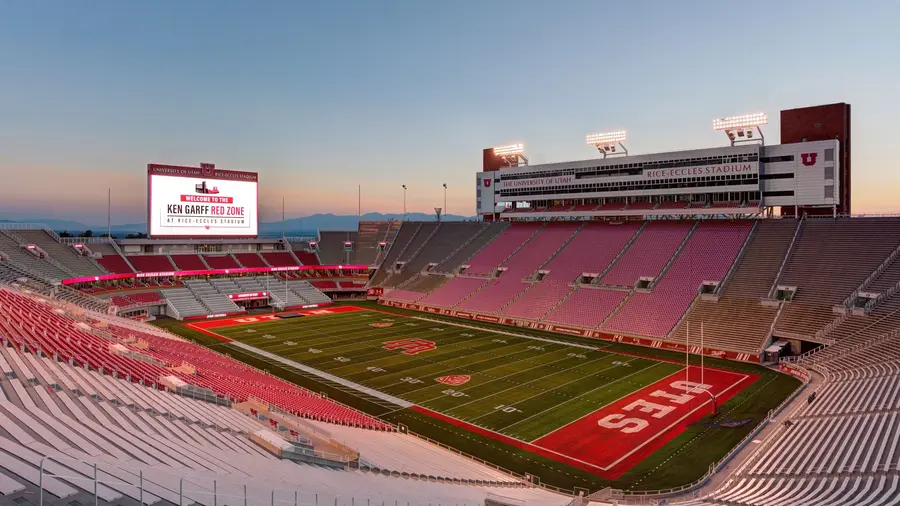
Rice–Eccles Stadium: A Comprehensive Guide for Event-Goers History Rice–Eccles Stadium, located at 451 South 1400 East on the University of Utah campus in Salt Lake City, has deep roots dating back to 1927. It began as Ute Stadium, a modest 20,000-seat venue that hosted the Utes football team. In 1972, a major renovation and donation from businessman Robert L. Rice expanded it to 32,500 seats and renamed it Rice Stadium. The modern era began in 1998 following Salt Lake City’s successful 2002 Winter Olympics bid. The aging facility was nearly completely demolished after the 1997 season and rebuilt into a state-of-the-art stadium designed to host the Olympic Opening and Closing Ceremonies. A landmark $10 million donation from the George S. and Dolores Dore Eccles Foundation led to the current name, Rice–Eccles Stadium. Construction took less than 10 months, and the venue opened on September 12, 1998. Further upgrades include added seating in 2014 and the transformative $80 million Ken Garff Red Zone project completed in 2021. This south end zone expansion enclosed the bowl, added premium seating, new locker rooms, and hospitality spaces, increasing capacity to 51,444. The stadium is slated to host the 2034 Winter Olympics ceremonies and the 2027 NHL Winter Classic. Management and Ownership The University of Utah owns and operates Rice–Eccles Stadium through its Stadium, Arena and Campus Event Services department. This team handles day-to-day operations, event bookings (including Utah Utes football, concerts, Monster Jam, and Supercross), guest services, and facility maintenance. The venue serves as the primary home for University of Utah athletics and community events. Capacity, Design, and Equipment Current seating capacity stands at 51,444 following the 2021 expansion. The stadium features a mix of bleachers and chairback seats (over 17,000 chair seats), 39 suites, and various premium options like loge boxes, club seating, and terraces. The playing surface is FieldTurf CoolPlay (installed in recent years), running north-south at an elevation of 4,637 feet. A standout feature is the massive south end zone video board (one of the largest in college football at roughly 122 x 64 feet), complemented by LED displays in the north end zone. A distributed sound system installed in 2016 delivers high-quality audio throughout the venue while minimizing noise spillover. The striking six-story press box offers panoramic views of the Wasatch Mountains to the east and downtown Salt Lake City and the Great Salt Lake to the west. Architectural highlights include steel, concrete, and glass construction with excellent sightlines. Atmosphere and What to Expect Rice–Eccles Stadium is celebrated for its electric, intimidating atmosphere – one of the toughest venues for opposing teams. The passionate Utah fan base, led by the student section known as The MUSS, creates a deafening environment during Utes games. Sellout crowds have been the norm for years, with many games exceeding capacity through standing room. The setting is breathtaking: mountain backdrops frame the action, and the high elevation can make games feel intense. Events typically feature vibrant tailgating, the Utah Marching Band, spirit squads, and Swoop the mascot. Concerts and special events like Monster Jam transform the space into a high-energy spectacle. Expect strong community pride, family-friendly elements alongside intense fandom, and a focus on good sportsmanship. Gates generally open two hours before football games. A clear bag policy applies for athletic events (one clear bag up to 12″x12″x6″ or a gallon bag, plus a small clutch), with stricter no-bag rules for many non-athletic events. The venue is cashless for concessions and most transactions. Concessions and Amenities Concessions are cashless and available throughout the concourses, with a variety of options including classic stadium fare like hot dogs, pretzels, nachos, and burgers, plus local favorites and premium items in club areas. A full concessions map is available on the official site. No outside food or drinks are allowed except for one factory-sealed 1-liter or smaller water bottle per person. Bottle-filling stations are provided. Premium hospitality includes clubs like the Julie M. & David S. Layton Field Club (field-level with patio), the University Club restaurant, and various suites/terraces offering enhanced food and beverage service. Restrooms, first aid stations, nursing pods, and guest services (at Portals 12 and 36) are conveniently located. Baby changing stations are available in restrooms. Additional Information for Event-Goers Parking is limited on event days – carpooling or using UTA TRAX light rail (free with a game ticket via the Stadium station) is strongly recommended. The venue is accessible with ADA accommodations. Alcohol, tobacco (including e-cigarettes), drones, and outside food beyond the water exception are prohibited. Personal seat cushions under 18 inches wide are allowed, and rentals are available. The stadium hosts a wide range of events beyond football, from major concerts (Garth Brooks, Post Malone, Zach Bryan) to Monster Jam and future Olympic and NHL events. Lost and found, guest services, and real-time closed captioning/StreamText are available. For the latest policies, tickets, or event-specific details, visit stadium.utah.edu or utahutes.com. Rice–Eccles Stadium combines historic significance, modern amenities, and an unmatched natural setting to deliver memorable experiences for sports fans, concertgoers, and visitors alike. Plan ahead for crowds, embrace the mountain energy, and enjoy one of college football’s most scenic and spirited venues. (Word count: approximately 900)
For more information on the Rice Eccles Stadium see the pages below:
Rice Eccles Stadium Parking:
Read parking information and directions for the Rice Eccles Stadium.
Ticket Policies:
Read ticket policies, ticket verification and refund policies.
Rice Eccles Stadium Seating Chart:
View the Rice Eccles Stadium seating map and read related seating information.